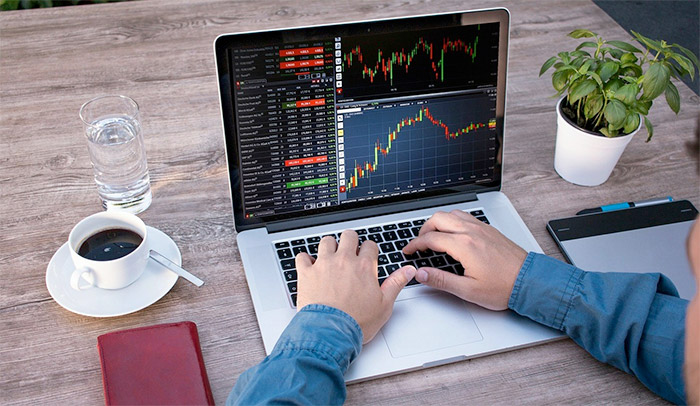
Most people think learning to trade is all about charts, strategies, and market knowledge. But there’s another factor that plays a bigger role than it seems at first, the platform you use every day.
The way information is presented, how easy it is to navigate, and how quickly you can act all influence how you learn. In Forex trading, your platform doesn’t just support your decisions, it shapes how you develop them over time.
First Impressions Set the Tone
When you first open a trading platform, your experience begins immediately.
If everything feels cluttered or difficult to understand, learning can feel heavier than it needs to be. On the other hand, a cleaner layout can make the process feel more manageable.
These first impressions matter because they affect how comfortable you feel returning to the platform. In Forex trading, that comfort can influence how often you practise and explore.
Navigation Affects Confidence
Learning isn’t just about understanding the market, it’s also about knowing how to use your tools.
If placing a trade, switching charts, or adjusting settings feels complicated, it can slow down your progress. You might hesitate, not because you don’t understand the setup, but because you’re unsure about the platform itself.
Over time, smoother navigation helps build confidence. You spend less time figuring things out and more time focusing on the market.
Chart Presentation Shapes Understanding
The way charts are displayed can change how you interpret price movement.
Clear, simple charts make it easier to recognise patterns and direction. Overly complex layouts, on the other hand, can make even simple trends feel confusing.
In Forex trading, this difference can affect how quickly you learn to read the market and how confident you feel doing it.
Tools Can Either Help or Distract
Most platforms offer a wide range of tools and indicators.
While these can be useful, they can also become overwhelming, especially in the early stages. Having too many options can lead to overthinking rather than clarity.
A platform that allows you to keep things simple often supports better learning. It helps you focus on the basics before adding complexity.
Repetition Builds Familiarity
The more you use a platform, the more natural it begins to feel.
Actions that once required thought, opening charts, placing trades, adjusting settings, become automatic. This familiarity reduces hesitation and allows you to focus on improving your decisions.
In Forex trading, repetition within the same environment often speeds up the learning process.
Your Workflow Becomes Personal
Over time, you develop a way of using the platform that suits you.
You know which charts you check first, how you organise your layout, and what steps you follow before making a decision. This workflow becomes part of your learning process.
Changing platforms can sometimes disrupt this, which shows how much your environment influences your habits.
It’s More Than Just a Tool
At first, a trading platform might seem like just a place to execute trades.
But as you spend more time with it, you realise it plays a deeper role. It affects how you see the market, how you process information, and how you act on it.In the end, Forex trading is not just about what you learn, but also where you learn it. The platform you use becomes part of your journey, shaping your experience in ways that are easy to overlook but hard to ignore once you notice them.