TL;DR / Key Takeaways
- Gold Standard Metric: Aerobic capacity dictates the absolute ceiling of oxygen your cardiovascular system can deliver to working muscles during maximal exertion.
- Relative vs. Absolute Values: Measuring output in milliliters of oxygen per kilogram per minute allows accurate performance comparisons across different body weights.
- Actionable Training Zones: Targeted Zone 2 endurance base building and Zone 5 high-intensity intervals expand your aerobic threshold and delay muscular fatigue.
A 10% increase in maximal oxygen uptake can improve endurance race performance by up to 15% across time-trial scenarios. While muscular strength defines raw power output, aerobic capacity dictates how efficiently your body sustains energy over prolonged physical exertion.
Deconstructing respiratory metrics helps athletes refine cardiovascular conditioning, set accurate training zones, and break through endurance plateaus.
What Is VO2 and How Does It Measure Athletic Fitness?
Aerobic capacity represents the maximum volume of oxygen an individual can extract from the atmosphere, transport through the bloodstream, and utilize at the cellular level during intense exercise. It serves as the single best physiological indicator of cardiorespiratory endurance and overall cardiovascular health.
When analyzing exercise physiology charts and aerobic performance metrics, endurance coaches evaluate the VO2 full form to understand Volume of Oxygen consumption, which quantifies the rate at which muscles consume oxygen under peak metabolic demand.
4 Key Factors That Influence Aerobic Capacity
Unlocking maximum cardiovascular capacity depends on a combination of physiological delivery systems, cellular efficiency, and structured training protocols.
1. Cardiac Output and Oxygen Delivery Capacity
The heart’s ability to pump oxygenated blood—stroke volume multiplied by heart rate—is the primary bottleneck for aerobic performance.
A stronger left ventricle expands total blood volume displacement per beat, delivering fresh oxygen to working skeletal muscle fibers much faster during exertion.
2. Cellular Mitochondrial Density and Capillary Refinement
Transporting oxygen to muscle tissue is useless if working muscle cells lack the machinery to convert that oxygen into usable adenosine triphosphate (ATP).
High-density capillary networks supply working fibers directly, while increased mitochondrial volume processes oxygen rapidly to fuel sustained muscular contractions.
3. Hemoglobin Concentration and Blood Oxygen Affinity
Hemoglobin proteins within red blood cells bind to oxygen molecules inside the lungs for downstream systemic distribution.
Optimizing iron levels and total red blood cell volume enhances the oxygen-carrying capacity of blood, preventing premature fatigue during high-altitude or warm-weather training.
4. Lactate Threshold and Oxygen Utilization Kinetics
Maximal oxygen ceiling determines your overall aerobic capacity, but your lactate threshold dictates what percentage of that ceiling you can sustain.
Training to shift your anaerobic threshold closer to your peak aerobic limit allows you to hold faster competitive paces without suffering metabolic shutdown.
| Metric Component | Primary Unit | Physiological Focus | Performance Impact |
| Absolute Volume | Liters per minute (L/min) | Total systemic oxygen processing | Favors large-frame athletes (rowers, cyclists). |
| Relative Volume | mL/kg/min | Bodyweight-adjusted oxygen uptake | Dictates performance in weight-bearing sports (running). |
| Lactate Threshold | Percentage of Max HR / Output | Sustained aerobic energy output | Determines maximum sustainable race pace. |
| Second Ventilatory Threshold | Breathing rate / CO2 clearance | Respiratory fatigue limit | Marks transition to purely anaerobic exertion. |
How to Test and Improve Your Aerobic Metrics
Optimizing your cardiorespiratory profile requires precise testing methods followed by structured, zone-based cardiovascular conditioning.
Schedule a Laboratory Metabolic Ramp Test
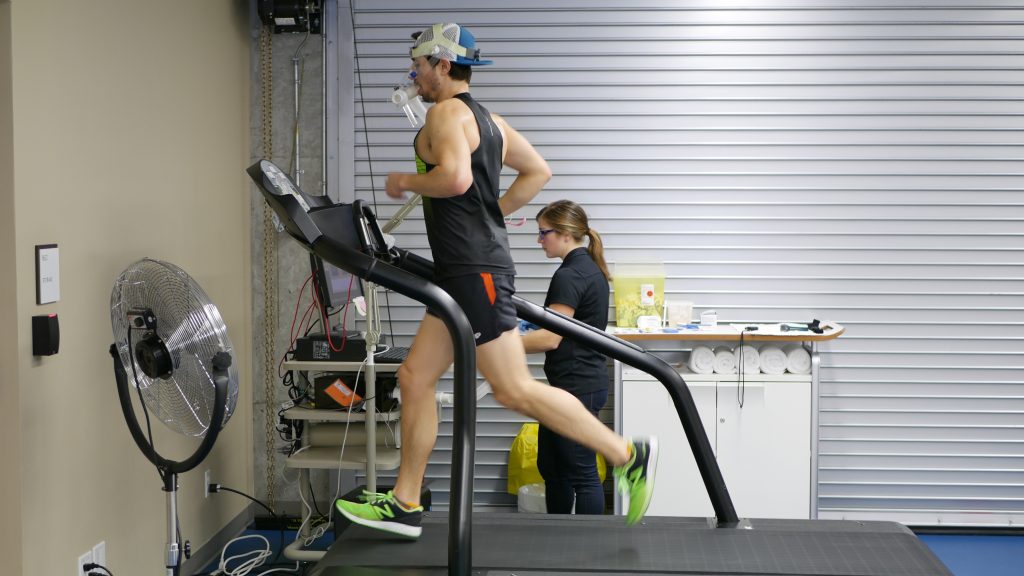
Executing a graded treadmill or stationary bike test while wearing a metabolic face mask provides precise breath-by-breath gas analysis.
Direct measurement reveals your exact ventilatory thresholds, enabling you to calibrate training heart rate zones with total mathematical precision.
Combine Low-Intensity Base Work with Zone 5 Intervals
Targeted Zone 2 aerobic rides or runs build cellular mitochondrial density without overtaxing your central nervous system or recovery capacity.
Complementing steady-state base volume with weekly 4×4-minute high-intensity intervals forces the heart to adapt to maximal stroke volume demands.
Frequently Asked Questions (FAQ)
What is considered a good relative aerobic capacity score for endurance athletes?
Elite male endurance athletes typically score between 70 to 85 mL/kg/min, while elite female endurance athletes range between 60 to 75 mL/kg/min.
Can strength training improve your overall oxygen consumption limits?
While heavy lifting primarily targets anaerobic capacity, heavy compound squats and deadlifts improve running economy, allowing you to use less oxygen at a given pace.
How quickly do aerobic metrics decline during a training layoff?
Significant drops in cardiovascular capacity begin after 10 to 14 days of complete inactivity as blood plasma volume decreases and stroke volume shrinks.
Conclusion
Understanding oxygen consumption kinetics gives athletes an essential baseline for measuring cardiorespiratory health and endurance potential. By balancing low-intensity base miles with high-output interval sessions, you expand your cardiovascular ceiling and optimize race-day execution.
